

NPL Recovery Rate Case Study: Boosting Servicer Performance by 20%
This npl recovery rate case study details how a European servicer achieved a 20% increase in recovery outcomes. The servicer leveraged data-driven segmentation and advanced analytics to optimize non-performing loan portfolios. By replacing uniform collection methods with tailored debt collection strategies, they improved borrower engagement and payment outcomes. This npl recovery rate case study highlights the effectiveness of personalized workout solutions and technology integration for enhanced asset management and operational efficiency in NPL management.
DDTalks provides insights into evolving NPL landscapes and effective debt collection strategies through its premium B2B financial conferences. Our events connect institutional investors and workout professionals, facilitating discussions on portfolio optimization and distressed debt solutions across Europe.
To explore your options, contact us to schedule your consultation. You can also reach us via: Request Agenda
This npl recovery rate case study details how a European servicer achieved a 20% increase in recovery outcomes using data-driven strategies, technology, and new approaches. It provides a framework for institutional investors and workout professionals to optimize non-performing loan portfolios.
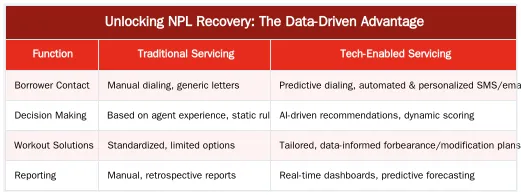
Unlocking NPL Recovery: The Data-Driven Advantage
A data-driven segmentation model was the primary factor in the 20% increase in recovery rates. This model allowed the servicer to replace uniform collection methods with a personalized outreach strategy. By analyzing borrower data to predict behavior, the firm allocated resources more effectively, improving engagement and payment outcomes.
A one-size-fits-all approach is unviable against complex borrower profiles and regulatory environments. Data-driven collections allow servicers to distinguish between borrowers who are unwilling to pay and those who are unable to pay. This distinction is fundamental to designing effective and compliant workout solutions that maximize recovery from distressed assets.
How Did Data Segmentation Drive a 20% Recovery Rate Increase?
The servicer used a granular approach to portfolio optimization, using analytics to classify borrowers into micro-segments instead of treating all non-performing accounts as one group. Classification was based on behavioral and transactional data, not just metrics like days past due. Each segment was matched with a tailored debt collection strategy.
For example, one segment with previous engagement that had recently defaulted received proactive outreach with flexible repayment options via preferred digital channels. Another segment, identified as high-risk, was prioritized for specialized case management. This approach concentrated resources for the highest returns, avoiding inefficient, high-volume contact methods.
Implementing Advanced Analytics for Portfolio Optimization
The servicer analyzed inputs including historical payment behavior, loan-to-value ratios on secured assets, records of previous communication attempts, and third-party demographic data. Machine learning models generated a propensity-to-pay score for each account. This analytical framework is central to understanding technology’s role in modern NPL servicing and the power of AI. These scores informed the timing, communication channel, and type of workout solution offered, creating a dynamic servicing operation.
Beyond Segmentation: Integrating Technology for Optimal NPL Servicing
Technology executed the data segmentation strategy. The servicer integrated tools into its platform to improve operational efficiency and enable the personalized outreach dictated by the analytical models. This was critical for scaling the strategy without increasing headcount or operational costs.
Automation streamlined routine tasks, freeing agents for complex negotiations and special servicing cases. A centralized data warehouse gave all agents a unified, real-time view of each borrower’s history and segment classification. This view replaces siloed legacy systems that hinder decision-making.
Leveraging AI and Automation in Debt Collection Strategy
Technologies targeted different stages of the collection lifecycle. AI decision engines helped agents select workout solutions based on borrower profile and payment capacity. Automated communication workflows handled initial reminders and follow-ups, ensuring consistent and compliant messaging. Our overview of effective loan servicing practices and innovations provides further context. This tech stack improved recovery rates and the borrower experience by offering flexible and accessible communication channels.
DDTalks Insights: Navigating the Evolving NPL Landscape
As organizers of European forums on private credit and distressed debt, DDTalks has a vantage point on NPL market trends. This case study aligns with themes from our London and Madrid events: the importance of technology and data in asset management. Industry leaders agree that servicers must invest in analytics and operational efficiency to compete.
The European NPL landscape is changing. While legacy portfolios from the last financial crisis are addressed, new distressed assets are emerging. According to the European Banking Authority’s Risk Dashboard, asset quality remains a key focus for regulators. This environment demands a proactive special servicing approach that adapts to changing economic conditions and borrower behaviors.
Key Takeaways from European NPL and Distressed Debt Forums
Consensus from our conferences is that the future of NPL management is proactive, not reactive. Leading firms now actively manage assets to preserve and create value, not just collect debt. This involves early intervention, creative workout solutions, and understanding the underlying collateral. These strategies enable servicers to handle market shifts, as explored in our analysis of how European loan servicers are managing rising defaults with advanced techniques.
What ROI Can You Expect from Enhanced NPL Recovery Strategies?
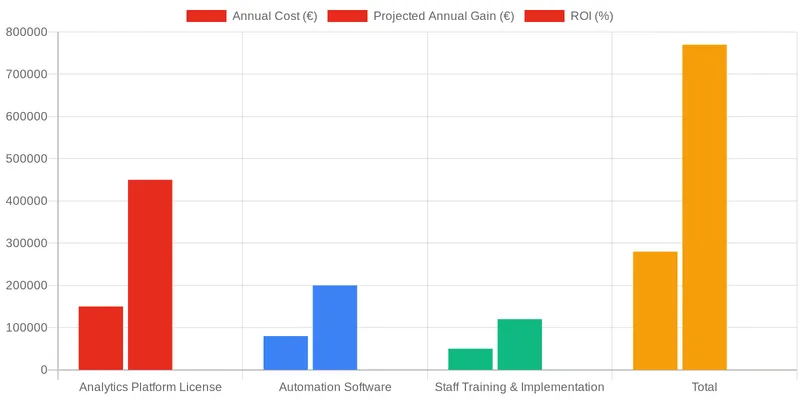
The return on investment (ROI) from a modern servicing strategy extends beyond the 20% increase in recovery rates. Financial benefits include operational resilience and profitability. A full ROI view accounts for revenue gains and cost reductions.
Automation of high-volume, low-complexity tasks decreases operational costs and allows for a more specialized workforce. Systematic, data-driven processes mitigate compliance costs and legal risks by ensuring regulatory adherence. Resolving non-performing accounts faster reduces carrying costs and improves portfolio valuation. This efficiency and performance can be a differentiator when bidding for new servicing mandates.
Elevate Your NPL Strategy: Join Europe’s Leading Forums
The strategies in this case study are discussed at DDTalks’ B2B financial conferences. Our events bring together institutional investors, NPL servicers, and distressed debt professionals from across Europe. Join them to gain insights, discover investment opportunities, and build relationships that drive portfolio performance.
Conclusion
This npl recovery rate case study shows a path to enhancing portfolio returns. By combining data analytics with technology, the servicer achieved a 20% increase in recoveries and built a more efficient, scalable, and resilient operation. This data-driven approach is becoming the industry standard for NPL management. Explore our upcoming events to learn about trends and connect with industry leaders. Contact us for more information or Request Agenda for our next NPL and Distressed Debt Forum.
Frequently Asked Questions
What was the key factor in the servicer’s 20% increase in recovery rates?
The primary factor was the implementation of a data-driven segmentation strategy. By using analytics to classify borrowers based on their likelihood to pay and preferred communication channels, the servicer tailored its outreach. This personalized approach significantly improved engagement and payment outcomes.
Did technology play a significant role in this case study?
Yes, technology was central to the success detailed in this npl recovery rate case study. The servicer deployed an AI-powered platform to automate routine tasks, predict the most effective workout solutions for each loan, and provide agents with real-time data to inform negotiations.
How did the servicer change its approach to borrower communication?
The firm shifted from a generic, one-size-fits-all model to a personalized, multi-channel communication strategy. Analytics identified the optimal time and method, such as SMS, email, or a direct call, to contact each borrower. This change dramatically increased response rates and successful resolutions.
Was this increased recovery rate achieved across all asset classes?
While the entire portfolio saw improvement, the most significant gains were in unsecured consumer loan portfolios. The high volume and data-rich nature of these assets made them especially suitable for the new analytics-driven approach, a key finding for improving non-performing loan recovery outcomes.
What is the main takeaway from this analysis for other NPL servicers?
The main takeaway is that investing in data analytics and technology is crucial for achieving top-tier performance in loan servicing. A strategic, tech-enabled approach can unlock substantial improvements in both efficiency and financial returns, moving beyond traditional collection methods.
How can I learn more about advanced NPL strategies and network with industry leaders?
To gain deeper insights into strategies like those in this npl recovery rate case study, you can attend specialized industry forums. DDTalks hosts events across Europe where servicers, investors, and workout professionals connect and discuss the latest market trends. You can request an agenda for our upcoming NPL and Distressed Debt Forums to learn more.




0 Comments