

Networking at Finance Conferences: Master Deal Sourcing & Investor Connections
Effective networking at finance conferences, particularly at specialized DD Talks summits, requires a strategic, research-driven approach focused on quality interactions. This guide outlines how to maximize deal sourcing and investor connections in European private credit, NPL, and distressed debt markets. Readers will learn to prepare meticulously by identifying key contacts, utilizing event apps for pre-scheduled meetings, and crafting a clear purpose for each interaction. The article emphasizes converting these high-value conversations into tangible collaborations through systematic follow-up, ensuring every engagement contributes to your financial objectives.
DD Talks specializes in organizing elite B2B financial conferences across Europe, focusing on private credit, NPL, and distressed debt. Our events facilitate direct deal-making and high-level relationship building among institutional investors, GPs, and industry leaders in London and Madrid.
To explore your options, contact us to schedule your consultation. You can also reach us via: Request Agenda
Why Strategic Networking at DD Talks Summits is Essential
The most effective networking strategy for DD Talks events is a targeted, research-driven approach focused on quality over quantity. It involves using the event app to pre-schedule meetings with high-priority contacts, preparing discussion points, and committing to a follow-up plan. This method transforms attendance into an active deal-sourcing and relationship-building initiative.
At specialized financial industry events, random encounters are inefficient. A deliberate conference networking strategy ensures every conversation has potential. The core principles for success include:
- Preparation: Identify key individuals (GPs, LPs, advisors) whose mandates align with your objectives before the event.
- Precision: Use tools like the DD Talks app to schedule 1-on-1 meetings in advance.
- Purpose: Define a clear goal for each interaction, whether it’s sourcing a deal, understanding a strategy, or establishing an institutional relationship.
- Persistence: Implement a systematic follow-up process to convert conversations into outcomes.
Maximizing Deal Flow and Investor Connections
DD Talks summits are for high-stakes deal-making in the European private credit, NPL, and distressed debt sectors. Unlike general finance events, the delegate list comprises senior decision-makers actively deploying capital or seeking funding. Effective networking here translates to opportunities. For General Partners, it means direct access to Limited Partners with specific allocations for direct lending or asset-backed finance. For LPs and investors, it provides concentrated exposure to vetted fund managers and deal opportunities, making connecting with investors and deal sourcing efficient.
Preparing for Success: Your DD Talks Networking Blueprint
Success in networking at finance conferences is determined before you arrive. Set clear, measurable objectives. Are you aiming to secure three qualified LP meetings, identify two potential co-investment partners, or gain intelligence on the AIFMD II regulatory impact? Once objectives are set, research is critical.
Review the delegate list and speaker bios to create a shortlist of 10-15 primary contacts. Investigate their recent deals, published research, and investment mandates to understand their priorities. This research lets you initiate conversations with relevant insights. For a deeper dive into selecting events, see our guide on choosing a European private credit conference.
Leveraging the DD Talks App for Targeted Outreach
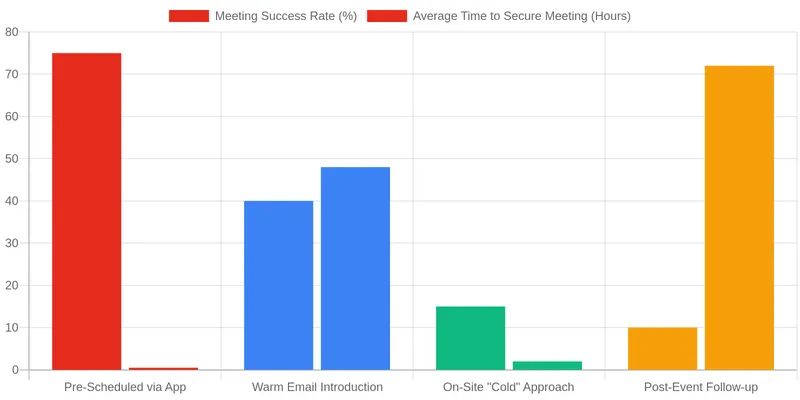
The DD Talks event app is a key preparation tool. It transforms your networking from reactive to proactive. Use the app’s directory to filter attendees by firm type, job title, and areas of interest to pinpoint LPs, GPs, or legal advisors on your target list. Send personalized, concise meeting requests through the platform at least one week before the summit. A request should reference a mutual interest and propose a 15-minute meeting during a networking break.
View data as table
| Networking Method | Meeting Success Rate (%) | Average Time to Secure Meeting (Hours) |
|---|---|---|
| Pre-Scheduled via App | 75% | 0.5 |
| Warm Email Introduction | 40% | 48 |
| On-Site “Cold” Approach | 15% | 2.0 |
| Post-Event Follow-up | 10% | 72 |
Crafting Your High-Impact Elevator Pitch
Your elevator pitch must be tailored to a financial audience. Avoid jargon and focus on value. An effective pitch follows this structure: who you are, what problem you solve, and what you are looking for. For example: “I’m with [Your Firm], a GP focused on mid-market direct lending in the DACH region. We help LPs access a niche market with strong, risk-adjusted returns. I’m particularly interested in connecting with investors exploring European credit diversification.” This is clear, concise, and establishes relevance.
On-Site Strategies: Engaging Effectively at London & Madrid Events
On summit day, your focus is execution. Arrive early to learn the layout, especially networking zones and meeting points. Prioritize pre-scheduled meetings, but remain flexible for spontaneous opportunities. During panels, listen for insights to use as conversation starters. A question about a speaker’s point can initiate a dialogue after the session.
Your goal is to build rapport, not just exchange contact information. Approach conversations with curiosity. Ask open-ended questions about their market perspective, challenges, and objectives. This shows interest in a mutually beneficial, not transactional, relationship.
Mastering Networking Breaks and Luncheons
Structured breaks are ideal for interaction. Do not check emails during breaks. Position yourself in high-traffic areas like the coffee station. When approaching someone, “What did you think of the panel on NPL valuations?” is more effective than a direct sales pitch. During lunch, sit at a table with people you don’t know. Introduce yourself to the group and facilitate a broader conversation. The goal is to be a connector, not just a collector of business cards.
Navigating Cultural Nuances in London and Madrid
Acknowledging local business culture is an advantage. In London finance networking, interactions are direct, efficient, and punctual. Be prepared to get to the point quickly and articulate your value proposition. In Madrid, professionalism is key, but there is more emphasis on personal rapport before discussing business. The Madrid business culture may involve a more relaxed pace, valuing the relationship as the foundation for a deal. Adapting your style shows respect and cultural awareness, which can strengthen a connection.
Beyond Business Cards: The DD Talks Approach to Relationship Building
In the institutional investment space, where deals are built on trust and long-term performance, a transactional approach to networking is ineffective. DD Talks events facilitate professional partnerships. Successful participants at European Private Credit and NPL forums focus on authenticity and mutual value. This means shifting the mindset from “What can I get?” to “What can I offer?”. This could be a market insight, an introduction, or a perspective on a shared challenge.
This approach aligns with long-term capital partnerships, where transparency and credibility are valuable currencies. Our summits foster these connections among senior professionals.
The Importance of Authenticity in High-Stakes Finance
Authenticity builds trust faster than any pitch. Be transparent about your firm’s focus and capabilities. If an opportunity isn’t the right fit, say so. Recommending a more suitable contact can build more goodwill than trying to force a connection. This honesty is valued among professionals and is key to effective relationship building. According to a study cited by Harvard Business Review, individuals who focus on the collective benefits of networking, such as learning and connecting others, feel more authentic and are more successful at it.
Common Networking Pitfalls to Avoid
Common networking mistakes hinder success. The most frequent are monopolizing a conversation or launching into a sales pitch. Another is the “card collector” approach—moving from person to person without engaging in dialogue. Also, avoid being overly familiar or informal too quickly, especially in cross-cultural settings. A major error is a lack of follow-up, which signals the initial conversation was not valued. Avoiding these pitfalls helps build strategic partnerships.
Post-Summit Engagement: Converting Connections into Collaborations
Networking continues after the event. A prompt, professional follow-up separates a fleeting interaction from a valuable business relationship. The 48 hours after the summit are a critical window to reinforce the connection. Your goal is to move the conversation forward with a clear, actionable next step. A generic, mass email is ineffective. Personalization is key.
Your follow-up should provide value. Instead of asking for their time, offer something in return—a relevant article, an introduction, or a summary of a conference takeaway that relates to your conversation. This shows commitment to a mutually beneficial relationship.
Crafting Effective Follow-Up Emails and Actions
A successful follow-up email is timely, personal, and purposeful. Reference a specific panel, conversation point, or shared interest to jog their memory. State the purpose of your email clearly, whether it’s to schedule a call, share a document, or make an introduction. End with a clear call to action. For high-potential contacts, a direct request for a 15-minute virtual meeting within two weeks is an appropriate next step.

View data as table
| Method | Description | Best Use Case | DD Talks Tip |
|---|---|---|---|
| Personalized Email | Tailored message referencing specific conversation points. | Solidifying initial connection, sharing resources. | Send within 24-48 hours; reference a specific panel or shared interest. |
| LinkedIn Connection | Professional network request with a brief reminder. | Expanding professional network, maintaining visibility. | Add a personalized note to your connection request. |
| Meeting Request | Direct proposal for a follow-up call or meeting. | Advancing a potential deal or partnership. | Only after a strong initial connection and clear mutual interest. |
Sustaining Momentum: Long-Term Relationship Building
Beyond the initial follow-up, cultivate the relationship long-term. Add contacts to a list and find reasons to stay in touch every few months. This could involve sharing an industry report, congratulating them on a deal announcement, or inviting them to a webinar. This sustained engagement keeps you top-of-mind and builds a professional network that yields future opportunities.
Unlock Opportunities at DD Talks Summits
A strategic networking approach transforms a conference into a business development platform. The DD Talks summits in London and Madrid are this platform, offering a gathering of senior decision-makers from the European private credit and distressed asset markets. Implementing these strategies maximizes engagement and forges connections that drive deals.
Secure Your Place Among Industry Leaders
Do not leave business development to chance. Join a community of institutional investors, general partners, and financial advisors shaping European finance. Book your ticket to be part of the conversation where deals are initiated.
Conclusion
Success in financial networking hinges on preparation over passivity. Valuable connections result from deliberate strategy, targeted outreach, and diligent follow-through. Review upcoming DD Talks agendas, identify key players relevant to your mandate, and build your engagement plan.
To learn more about our upcoming events, contact us or Request Agenda for our London and Madrid summits.
Frequently Asked Questions
How many meetings should I realistically aim to pre-book for a DD Talks summit?
For maximum effectiveness, we recommend using the official event app to identify and pre-arrange meetings with 5-7 high-priority contacts. This targeted approach, focusing on specific LPs or GPs whose mandates align with yours, ensures substantive conversations rather than just collecting a high volume of business cards.
What is the ratio of panel sessions to dedicated networking time at the London and Madrid events?
Our agendas are structured to maximize interaction, typically featuring a ratio of approximately 60% content to 40% dedicated networking. This includes multiple extended coffee breaks, a full networking lunch, and a closing cocktail reception, providing over three hours of structured opportunities for deal-making discussions each day.
How does the DD Talks event app facilitate pre-conference networking?
The official DD Talks app is released to registered delegates approximately two weeks before the event. It allows you to view the full attendee list, filter by firm type (e.g., GP, LP, Advisor), and send direct meeting requests to schedule your time on-site efficiently. This pre-event planning is crucial for successful networking at finance conferences.
What is the professional etiquette for following up with a new contact after a summit?
Send a personalized follow-up email or LinkedIn connection request within 24-48 hours of the event concluding. To make your message memorable, reference a specific topic from your conversation, such as a comment on AIFMD II or a particular direct lending strategy, before suggesting a clear next step.
Is it more valuable to connect with panel speakers or other delegates?
While speakers from firms like Oaktree or PIMCO offer valuable insights, they are often inundated with requests. For direct deal-making, prioritize connecting with fellow attendees who are your target audience, as they have specifically allocated their time to build new business relationships at the summit.
What’s the best way to approach a senior partner during a busy coffee break?
Wait for a natural pause in their conversation rather than interrupting. Have a concise, 15-second introduction ready that states who you are, your firm, and the specific reason their work is relevant to you, such as, “I was interested in your fund’s recent focus on the Iberian NPL market.”

0 Comments