

CRE NPL Due Diligence: Strategic Insights for Portfolio Acquisition
Effective cre npl due diligence is crucial for investors and special servicers acquiring non-performing loan portfolios. This article details critical checks, starting with comprehensive loan tape analysis to identify key financial data and risks. It then covers property-level assessments, including independent property valuation and environmental site assessments, to determine collateral value and potential liabilities. Legal reviews, such as title searches and lease abstraction, are also essential for understanding asset encumbrances. Mastering these steps enables informed decision-making and effective workout strategy development for commercial real estate NPLs.
DD Talks organizes premium B2B financial conferences, bringing together institutional investors and industry leaders in European private credit, NPL, and distressed debt markets. Our content reflects deep expertise in facilitating high-value deal-making and providing actionable market insights.
To explore your options, contact us to schedule your consultation. You can also reach us via: Request Agenda
Successful investment in non-performing loan portfolios requires meticulous cre npl due diligence to uncover hidden risks and identify collateral value. For institutional investors and special servicers in the European market, this review is a strategic imperative. This article outlines the essential checks, from loan tape analysis to property-level assessments and legal reviews, to inform decisions and formulate workout strategies for distressed commercial real estate assets.
What is CRE NPL Due Diligence and Why is it Crucial?
Due diligence for commercial real estate non-performing loans is an investigation into the financial, physical, and legal status of the loans and their underlying collateral. It provides a potential buyer with a complete picture of the portfolio to assess risk, potential returns, and the resources required for resolution. For institutional investors and servicers, this process is fundamental to pricing the portfolio correctly and avoiding unforeseen liabilities.
The Critical First Step: Loan Tape Analysis
The investigation begins with a detailed loan tape analysis. A loan tape is a data file, typically a spreadsheet, from the seller listing key information for every loan in the portfolio. This data is the foundation for due diligence. Key data points include outstanding principal balances, interest rates, payment history, delinquency status, property type, and location. Analysis allows investors to stratify the portfolio by risk factors, geographical concentration, and collateral type. This segmentation identifies high-risk loans, flags data inconsistencies, and focuses subsequent due diligence on the most significant assets.
The Foundational Pillars: Key Due Diligence Checks for NPL Portfolios
After the loan tape review, the focus shifts to examining the underlying collateral. This phase assesses the tangible assets securing the commercial real estate NPL portfolio, covering the property’s market value, physical condition, and environmental status. These checks validate initial assumptions and build a risk profile for each asset.
Property-Level Assessments: Valuation, Condition, and Environment
Independent, third-party assessments are required to verify value and identify potential liabilities. An independent property valuation provides a current market value, often different from the book value. A physical condition report details deferred maintenance and necessary capital expenditures. An environmental site assessment (ESA) uncovers potential contamination issues that could result in significant cleanup costs and legal liabilities.

Beyond the Basics: Strategic Insights for NPL Portfolio Acquisition
Investors should integrate due diligence findings into strategic planning, transforming the process from risk-mitigation into a value-creation tool. This involves connecting property-level data and legal findings to financial models and post-acquisition business plans. This integrated view helps forecast returns and develop a path to profitability, considering diverse commercial property market trends across Europe.
Integrating Due Diligence into Workout and Cash Flow Modeling
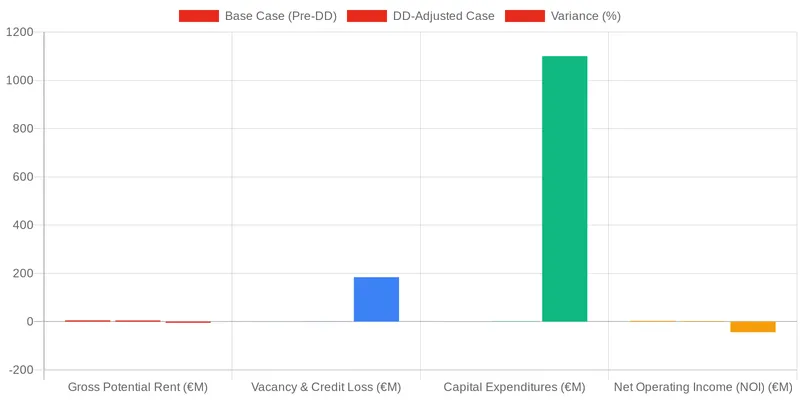
Due diligence data is the primary input for cash flow modeling. Findings from a physical condition report translate into capital expenditure line items in a financial model. Lease abstraction data informs vacancy and rental income assumptions. A special servicer uses this integrated data to develop a workout strategy for each asset, whether foreclosure, loan modification, or a negotiated sale. This ensures the business plan reflects the asset’s condition and legal status. Resources from institutions like the CFA Institute provide frameworks for financial modeling.
Understanding Local Market Dynamics and Regulatory Nuances
A CRE NPL portfolio’s performance is influenced by local market conditions and the regulatory environment. Due diligence must include analysis of regional economic trends, supply and demand for specific property types, and the legal frameworks for foreclosure and insolvency in each jurisdiction. In Europe, understanding directives like AIFMD II and their national implementation is critical. This localized expertise, often from regional partners, is necessary for underwriting risk and identifying opportunities.
Leveraging Expert Networks for Enhanced Due Diligence
While data and documentation are core to due diligence, insights from experienced professionals provide context. The complexities of distressed debt, particularly in cross-border European transactions, require specialized expertise. Engaging with a network of peers, legal advisors, and market specialists can uncover risks and opportunities not visible on paper, especially when global real estate is under strain.
The Value of Peer Insights and Specialist Consultations
B2B financial conferences provide a forum for investors to pressure-test assumptions and refine methodologies. Discussions with peers who have navigated similar transactions can reveal best practices for specific jurisdictions or asset classes. Consulting with legal and workout specialists active in the target market provides intelligence on judicial timelines, servicer performance, and regulatory changes. According to the CRE Finance Council, these qualitative insights are critical for avoiding pitfalls and optimizing resolution strategies.
DD Talks: Facilitating Informed Investment Decisions
Platforms like DD Talks facilitate these connections. Our annual forums in European financial centers like London and Madrid bring together institutional investors, NPL servicers, and legal advisors. Agendas address challenges and opportunities in the distressed debt and private credit markets. Attendees gain access to market intelligence and professional networks to conduct more effective due diligence and originate deals.
Mastering CRE NPL Due Diligence for Strategic Advantage
A thorough approach to cre npl due diligence is fundamental to successful investment in distressed commercial real estate debt. By progressing from loan tape analysis to property, legal, and market assessments, investors can accurately price risk and build workout strategies. Integrating these findings into financial models and leveraging expert networks transforms due diligence from a cost center into a source of strategic advantage. To connect with professionals in the European NPL market, explore our upcoming events. contact us or Request Agenda for our next forum.
Frequently Asked Questions
What is the first step in evaluating a commercial real estate NPL portfolio?
The first step is a thorough analysis of the ‘loan tape’ provided by the seller. This data file contains critical information on each loan, including outstanding balances, payment history, and collateral details. This initial review allows investors to stratify the portfolio and identify loans that warrant a deeper investigation as part of the comprehensive cre npl due diligence process.
Why is a physical property inspection essential for cre npl due diligence?
A physical property inspection, or Property Condition Assessment (PCA), is essential to verify the actual state of the underlying collateral. It helps identify deferred maintenance, structural issues, and necessary capital expenditures that directly impact underwriting and workout strategies. This on-site assessment is a non-negotiable component for accurately valuing distressed commercial real estate assets.
What legal aspects are most critical during cre npl due diligence?
The most critical legal aspects include a comprehensive title search for liens, a review of loan documentation for enforceability, and an understanding of local foreclosure laws. This legal review within the cre npl due diligence framework ensures the investor can gain clean title to the property if necessary. A clear legal path is fundamental to valuing the non-performing loan accurately.
How do you assess tenant risk in a distressed commercial property?
Tenant risk is assessed by performing lease abstractions to understand key terms, analyzing tenant financial health, and reviewing rent rolls for concentration risk. Obtaining tenant estoppel certificates is also a key step to confirm lease details and prevent future disputes. This analysis informs the cash flow projections vital to the investment thesis.
What is the purpose of cash flow modeling in the context of cre npl due diligence?
Cash flow modeling projects the potential financial performance of the underlying real estate asset under various workout scenarios, such as foreclosure or loan modification. This analysis helps determine a realistic purchase price for the NPL by estimating future rental income, operating expenses, and eventual disposition value. Effective cre npl due diligence relies on this modeling to quantify risk and potential returns.
How can I learn more about advanced strategies for European NPLs?
For deeper insights into navigating the European NPL and distressed debt landscape, connecting with industry leaders is key. You can explore advanced strategies and network with top-tier servicers, investors, and advisors at our specialized forums. Request the agenda for our next NPL & Distressed Debt event to see the topics and speakers.




0 Comments