

Perfect One-liner Networking: Crafting Impactful Introductions
A perfect one-liner networking strategy is essential for high-stakes B2B financial conferences. This guide details how to craft a concise introduction that articulates your professional identity, value proposition, and target audience. Mastering your one-liner enables immediate credibility and efficient deal origination among GPs, LPs, and other professionals in private credit and distressed debt markets. It transforms brief encounters into substantive discussions, maximizing networking opportunities at premium industry events. This approach ensures your message resonates and sparks curiosity, leading to valuable partnerships.
DD Talks specializes in organizing elite B2B financial conferences across Europe, facilitating high-value deal-making and strategic partnerships in private credit, NPL, and structured finance. Our events connect top-tier GPs, LPs, and industry leaders, fostering an environment for impactful professional engagement.
To explore your options, contact us to schedule your consultation. You can also reach us via: Request Agenda
At B2B financial conferences, a perfect one-liner networking strategy is a necessity. A concise introduction establishes immediate credibility. This guide helps professionals in private credit, distressed debt, and structured finance craft an introduction that communicates value and enables deal-making and strategic partnerships at industry events.
What Makes a Perfect One-Liner for High-Stakes Networking?
A perfect networking one-liner is a concise statement articulating your professional identity, the value you deliver, and for whom. It is an elevator pitch, delivered in under 30 seconds, to qualify interest and start a conversation. It is not just a job title, but a complete value proposition.
It must capture the attention of an investor or fund manager between panel discussions. It should spark curiosity and provide a reason to continue the dialogue, leading to a substantive discussion about potential synergies.
The Core Components of an Impactful Introduction
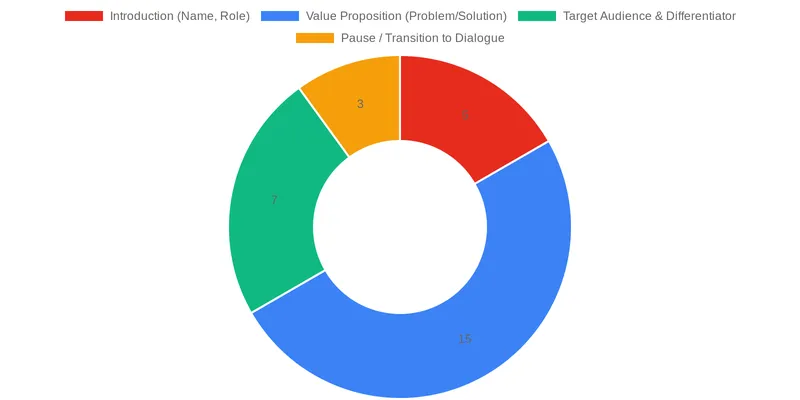
An effective introduction has three components. Distill each to its essential form for maximum impact and recall.
- Identity (Who You Are): State your name and your role or company. This provides immediate context. For example, “I’m a portfolio manager at a direct lending fund.”
- Value Proposition (What Problem You Solve): Articulate the unique benefit you or your firm provides. Focus on outcomes, not services. For instance, “…we provide flexible, senior-secured financing to mid-market European companies.”
- Target Audience (Who You Help): Define who benefits from your value proposition. This helps the listener determine relevance. An example is, “…helping them achieve growth without equity dilution.”
Combined, these elements form a compelling statement: “I’m a portfolio manager at a direct lending fund where we provide flexible, senior-secured financing to mid-market European companies, helping them achieve growth without equity dilution.”
Why Your One-Liner is Critical at Financial Conferences
At specialized B2B networking events for European private credit or NPL markets, attendees—General Partners (GPs), Limited Partners (LPs), investment bankers, and legal advisors—have specific objectives. A well-crafted introduction is key to navigating these meetings efficiently.
It acts as a filtering mechanism, signaling your relevance to the listener’s goals. A clear pitch from a GP seeking capital captures the attention of an LP whose mandate aligns with their fund’s strategy. A debt advisor’s pitch identifies a corporate borrower needing structuring expertise. This efficiency is paramount where time is limited. Mastering your introduction helps you build strategic partnerships and accelerate deal origination.
Securing High-Value Deal-Making Opportunities
The primary goal of financial conferences is deal origination and fostering GP-LP introductions. Your one-liner is the first step. A vague introduction leads to a brief, unproductive conversation. A sharp, benefit-driven statement invites targeted questions and enables a follow-up meeting.
In private credit, an effective pitch highlights a specific industry focus or structuring approach matching an investor’s portfolio needs. This clarity is essential for maximizing corporate visibility and connecting you with relevant counterparts, turning encounters into business opportunities.
Crafting Your Compelling Pitch: A Practical Guide
Developing a powerful pitch is a process of strategic distillation. Distill your role into a focused statement of value. The message must be authentic and relevant to your conference audience.
Follow these steps to build your pitch:
- Identify Your Core Value: What is the most important outcome you deliver? Is it superior risk-adjusted returns, access to a niche market, or innovative financing solutions? Write it down in a single sentence.
- Define Your Audience: Be specific. Are you targeting family offices, large pension funds, or corporate sponsors? Tailor your language and the benefit you highlight to their specific needs.
- Draft the Statement: Combine your identity, value, and audience into a concise statement. Write several versions. Read them aloud to check for flow and clarity. According to Forbes, the best pitches are benefit-oriented.
- Refine and Simplify: Remove jargon and unnecessary words. Is every word essential? Can you make it shorter? The objective is a memorable one-liner.
Tailoring Your Message for Institutional Investors and Fund Managers
The content of your one-liner must adapt to your role and objective. A GP’s pitch to an LP will differ from an advisor’s pitch to a potential client.
- For GPs addressing LPs: Focus on strategy, track record, and differentiation. Example: “I manage a European distressed debt fund that specializes in the Iberian NPL market, where our on-the-ground team has consistently delivered top-quartile returns by unlocking value in complex assets.”
- For LPs addressing GPs: Be clear about your mandate and allocation size. Example: “I represent a German pension fund actively allocating €200 million to European mid-market direct lending strategies with a focus on sponsor-backed deals.”
- For Advisors addressing Principals: Highlight your specific expertise and the problem you solve. Example: “As a structured finance advisor, I help asset managers and corporates design and execute securitisation transactions to achieve efficient funding and capital relief.”
Common Mistakes and How to Avoid Them
Common mistakes can undermine a well-structured message and your credibility. The most frequent issue is technical jargon that obscures the value proposition. While industry terms are necessary, your initial pitch should be accessible and focused on outcomes, not internal processes.
Lack of clarity is another pitfall. A rambling, unfocused introduction suggests a lack of preparation and causes listeners to disengage. Be memorable for your clarity, confidence, and value. Avoiding these mistakes strengthens your personal brand.

Beyond the Buzzwords: Delivering Clarity and Confidence
Delivery is as important as content. Practice your one-liner until it sounds natural and conversational. Maintain open body language and make eye contact to build rapport. Be prepared to listen. After your introduction, ask a question about the other person’s role and objectives. This transforms a monologue into a dialogue, the foundation of networking.
Practice, Refine, and Master Your Networking One-Liner
A powerful introduction is forged through practice, feedback, and refinement. The final version should feel natural. Mastering your delivery prepares you for high-stakes meetings. According to the INSEAD Business School, preparation is fundamental to successful networking.
Treat your one-liner as a living document. Adjust it for the specific conference or professional. A pitch for a private credit conference in London might differ from one for an NPL summit in Madrid.
Leveraging Feedback for Continuous Improvement
Active refinement improves your pitch. Deliver your one-liner to trusted colleagues or mentors and ask for honest feedback on its clarity, impact, and memorability. Record yourself on a smartphone and listen to your tone, pacing, and confidence. This self-assessment reveals areas for improvement. Test versions in lower-stakes settings before a major conference.
Unlock New Opportunities at Premium Financial Events
A polished one-liner unlocks the value of financial conferences. These events are for B2B networking, where the right introduction leads to deal origination and strategic capital partnerships. Preparing your message maximizes every interaction.
Join the Elite: Your Next Strategic Partnership Awaits
DD Talks hosts annual events for the European private credit, NPL, and structured finance markets in London and Madrid. These conferences gather GPs, LPs, and advisors for networking and deal-making. To join industry leaders, explore DD Talks’ upcoming conferences and secure your place.
Conclusion
Crafting a compelling one-liner is a fundamental skill in institutional finance. Focusing on identity, value proposition, and audience creates a memorable introduction that accelerates relationship-building and uncovers opportunities. This preparation is the foundation for successful networking. To learn more about our networking and deal-making events, contact us or Request Agenda for our upcoming European conferences.
Frequently Asked Questions
What are the three essential components of a perfect one-liner for networking?
A successful one-liner clearly states who you are (your role), what problem you solve (your value proposition), and who you solve it for (your target audience, like GPs or LPs). The goal of a perfect one-liner networking pitch is to be concise, compelling, and memorable enough to start a meaningful conversation. This structure ensures you communicate maximum value in minimum time.
How long should a perfect one-liner for networking be?
Your networking introduction should be deliverable in under 30 seconds, with 15-20 seconds being the ideal length for a perfect one-liner for networking. The purpose is to spark interest and initiate a dialogue, not to present your entire business case. In the fast-paced environment of a DDTalks financial conference, brevity demonstrates respect for the other person’s time.
Why is a specialized perfect one-liner for networking crucial at financial conferences?
At high-stakes B2B events, attendees like institutional investors and fund managers are sophisticated and time-poor. A generic pitch will be quickly dismissed. A specialized perfect one-liner for networking demonstrates that you understand the specific challenges of the private credit or distressed debt markets and have a relevant, valuable proposition.
How can I test if my networking introduction is effective?
Practice your one-liner with trusted colleagues and mentors who understand the industry. The best test is whether it consistently sparks relevant follow-up questions about your strategy or deal flow. If you receive blank stares or generic responses, your message isn’t landing and needs to be refined for clarity and impact.
Should my networking pitch be different for a GP versus an LP?
Absolutely. You must tailor your introduction to the specific interests of your audience. A General Partner (GP) may be focused on deal flow or co-investment opportunities, while a Limited Partner (LP) is more concerned with fund strategy and performance metrics. Customizing your message shows you’ve done your research and increases your chances of making a strong connection.
How can I prepare my one-liner for a specific DDTalks event?
To prepare effectively, start by understanding the key themes and attendees of the specific conference. You can request the event agenda to identify target individuals and companies from the speaker and sponsor lists. This allows you to craft a highly relevant introduction that aligns with the conference’s focus on topics like European private credit or structured finance.


0 Comments